How to Survive Chase Sequences
Torch, route memory, and refusal to greedy-loot
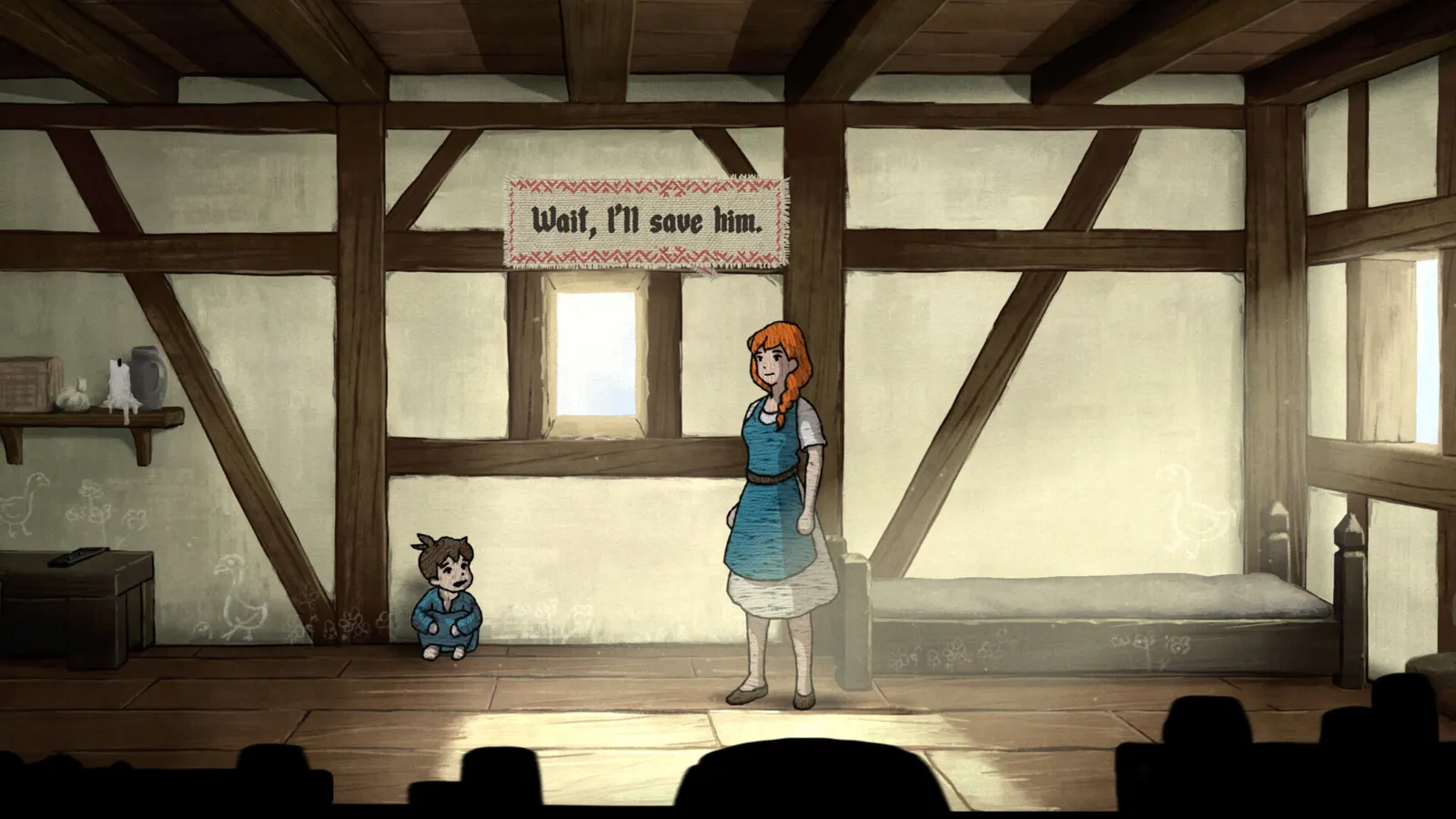
How to Survive Chase Sequences in Scarlet Deer Inn
Chase sequences are where Scarlet Deer Inn tests whether you treated the underground as a home you prepared or a hallway you sprinted. The light-chase creature is the headline threat: darkness favors it, torch discipline and pre-opened routes favor you.
Prerequisites: Use the Torch, Find Shortcuts, Underground Labyrinth.
What “chase” means here
These are not endless runner set pieces with only one legal path. They are pressurized navigation puzzles. The creature enforces tempo while you execute a route you should have already understood.
If you are learning the route during the chase, you are late.
Pre-chase preparation checklist
Before any room that feels staged for pursuit:
- Light at least two braziers on the intended line
- Open the shortcut that returns to a hub
- Move crates that block the escape lane
- Decide whether collectibles are banked or abandoned for later
- Confirm torch bindings feel comfortable on your device
Controller users: controller controls. Keyboard: keyboard. Deck: Steam Deck.
Chase stance
- Torch: oriented to suppress the threat, not to sightseeing shelves
- Eyes: aimed at the next door you already know
- Hands: no novelty interactions (no random floor breaks, no curiosity levers)
- Pace: fast enough to escape, slow enough not to miss a lit turn
Search stance is over. You can return to search stance after audio and staging cool down.
Light is a lane, not a selfie
Holding the torch toward the creature is useful when it creates space to cross a gap or finish a lever you already planned. Holding the torch toward the creature while reverse-walking into an unmapped black corner is how runs end.
Always ask: “What does this second of light buy me?” Buy distance toward a brazier or door, not vanity.
Route memory beats raw speed
Memorize three landmarks per dangerous wing:
- A brazier shape or placement
- A door silhouette
- A floor material change near the exit
Hand-painted art helps once you consciously assign meaning to those landmarks. Without that assignment, every corridor looks like atmosphere and none look like navigation.
Common chase deaths and fixes
Death: Stopped to pick up a toy mid-pursuit.
Fix: Bank rag doll / flute / other toys before triggers. Use collectibles guide.
Death: Broke a floor into unknown space.
Fix: Only use breakable floors that were already mapped as connectors in calm time.
Death: Missed a shortcut because it was never opened.
Fix: Rehearse the shortcuts habit in the previous two rooms.
Death: Torch lowered while adjusting camera.
Fix: Practice chase stance in a safe dark room until raise/hold is automatic.
Death: Panicked loops in the same dead end.
Fix: Name your exit before the chase starts; say it out loud if needed.
Second-chase elevator (Patch 1.011)
If the elevator at the end of the second chase failed to trigger or left you stranded, update to Patch 1.011 on Steam. Official notes: fixed the broken elevator at the end of the second chase.
After updating, relaunch and retry the sequence with Find Shortcuts prep intact. This is a confirmed bug fix, not a skill check — do not grind the same softlock on 1.010 or older.
Symptom chart: Known Issues. Patch list: Updates.
The community full-game walkthrough below (Zoddronite on YouTube — not an official Attu Games video) can show late chase staging. Use it after your own attempt, not as a first-time spoiler binge.
Horace and emotional pressure
Chase intensity rises as story stakes around Horace, Kuba, and Bara become clearer. That is intentional design from Attu Games’ folklore-horror framing. Mechanically, do not let story panic destroy route discipline. Narratively, let it matter — after you survive.
Character context: Characters. Broader ending stakes (spoilers): Complete Ending.
Retry methodology
When you fail:
- Do not instantly rerun on adrenaline
- Relight and reopen anything fragile
- Walk the escape line once calmly
- Trigger again only when the line feels boring
Boring routes are reliable routes. Reliability is how you see the story scenes instead of the death fade.
Difficulty by region
- Early underground: chases teach torch suppression
- Mid labyrinth: chases assume shortcut literacy
- Escape push: chases assume you value Horace objectives over side rooms
Match your prep to the region. Over-preparing early is fine. Under-preparing late is costly.
Accessibility and comfort tips
If chase camera stress is high:
- Lower look sensitivity
- Play with headphones for audio tells but reduce master volume if startled reactions wreck inputs
- Take a break after two failed attempts — folklore horror lands harder when you are calm enough to finish the chapter
Content note: stylized violence and child-loss themes intensify around these sequences. See who should play if you are unsure.
After a successful chase
Immediately convert survival into progress:
- Light any new braziers revealed
- Open any new doors
- Then — and only then — sweep for collectibles
- Tick community achievement tracker items if a survival milestone clearly fired
Tools: achievement checklist, collectible tracker.
Survive first, loot second, lore third. That order is how Scarlet Deer Inn’s underground becomes readable instead of punishing.
Frequently Asked Questions
Quick answers tied to this page.
Can I fight the light-chase creature directly?
Treat it as a light-and-routing threat. Suppress with the torch and commit to a prepared exit rather than looking for a duel.
Why do I die even with the torch up?
Usually bad positioning or no prepared shortcut. Light buys time; it does not replace a route.
Should I grab collectibles during a chase?
No. Bank toys before triggers or return after the room cools down.
What is the best prep investment?
Two lit braziers and one open return door on your escape line.
Do chases change after I have Horace?
Story pressure rises around escape framing. Mechanically, keep the same torch-and-route rules.
Where should I go if I am stuck on one corridor?
Re-read the underground walkthrough phase for that region, then calmly rehearse the exit before retrying.
The second-chase elevator will not trigger — bug or route?
On Patch 1.010 or older, it was a confirmed bug fixed in 1.011. Update, relaunch, retry with shortcut prep intact.